Indian Suit Fabric: Complete Guide to Types, Quality & Choosing the Best Fabric (2026)

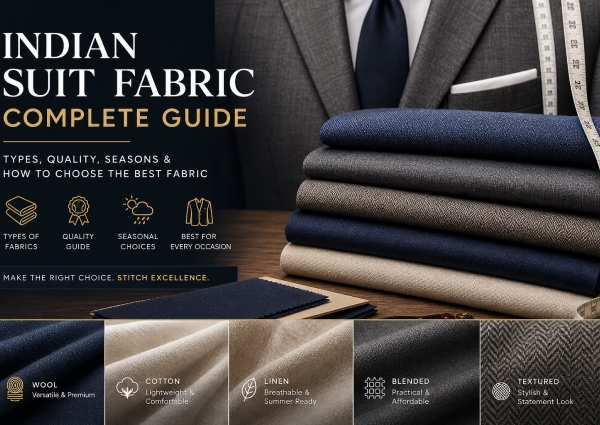
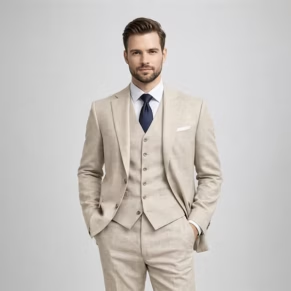
In India the suit is more than just clothes. It’s an expression of intention.
When you’re in the boardroom, going to the wedding of your dreams, or creating your own personal brand, your suit conveys your values. While most people concentrate on the fit or style but the true foundation of a good suit lies in something much more significant:
The material.
The best fabric doesn’t only enhance the look of a suit, but it also affects the way it feels and how it performs in Indian conditions, and the length of time it will last.
This complete guide will take you through all you should be aware of about Indian suit fabrics, ranging from styles and textures, to considerations for climate and purchasing mistakes, so you are able to make better, more informed choices.
Why Suit Fabric Matters More Than You Think
Most people underestimate fabric. They believe that tailoring will make everything better.
It’s not going to happen.
Fabric has the ability to impact:
- Structure and the fallout of your suit
- Comfort in different climates
- Wrinkle resistance during long days
- The ability to breathe and sweat management
- Long-term durability
The wrong fabric could make even a costly suit look sloppy. However the best quality fabric, even that is simple to tailor–can enhance your whole appearance.
In a country such as India with climates that vary dramatically across different regions, the selecting the right fabrics becomes more crucial.
Understanding the Indian Suit Fabric Market
India has a unique suiting culture. In contrast to Western markets, which tend to lean toward pre-made clothes, Indian buyers often prefer:
- Custom tailoring
- Fabric-first buying
- The selection is based on the time of the day.
This presents a tremendous opportunity, but it also creates confusion.
Visit any fabric store and you’ll be hearing terms such as:
- “Imported fabric”
- “Italian finish”
- “Super 120s wool”
- “Poly blend”
In the absence of proper education it’s easy to become distracted by the language of business and not be aware of the quality.
Understanding the fundamental kinds of fabrics is crucial.
Types of Indian Suit Fabrics
1. Wool — The Gold Standard of Suiting
Wool is the mainstay of premium suits, and for reasons that are well-founded.
It’s among many of the most adaptable fabrics on the market that is suitable for formal and semi-formal events.
What makes wool stand out:
- Naturally breathable even though it is warm
- A great drape that highlights the body’s shape
- It is more resistant to wrinkles than many fabric types.
- Work is available across multiple seasons
Wool types you’ll come across:
- Worsted Wool — Soft and refined, perfect for formal attire
- Blends of Wool are mixed with synthetics for strength and cost effectiveness
- Merino wool -Softer, finer fibers feel
In India Wool that is light in weight is usually preferred since it balances comfort and structure.
If you are looking for a fabric that is suitable for all scenarios, wool is your most secure and reliable investment.
2. Cotton — Comfort Comes First
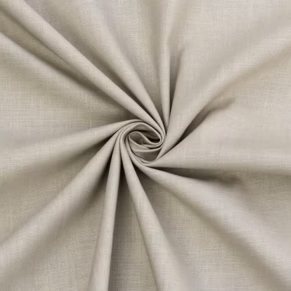
The popularity of cotton suits is high in India particularly in areas that experience extreme heat.
They are comfortable they are breathable and comfortable to wear all day long.
Advantages of HTML0:
- Great airflow and moisture absorption
- Soft and light on the skin
- Ideal for work that lasts for a long time.
Limitations:
- The wrinkles are easily able to appear
- It is less structured than wool.
- It doesn’t provide a crisp “formal” finish
The perfect fabric for cotton is:
- Daily office attire
- Casual business setting
- Summer dressing
If you prefer the feeling of comfort over rigidity, then cotton is an excellent choice.
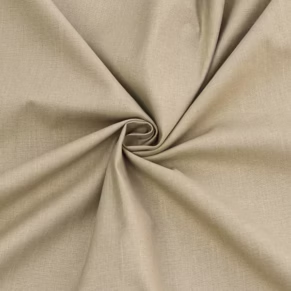
3. Linen — Effortless Summer Luxury
Linen is frequently misunderstood by markets like the Indian market.
A lot of people don’t like it due to the fact that it wrinkles, but that’s precisely what makes linen so appealing.
What makes linen special:
- Extraordinary breathability
- Natural, soft texture
- Simple, elegant look
Linen is ideal for:
- Summer weddings
- Daytime events
- Wearing a resort or destination dress
Note:
Wrinkles in linen aren’t an issue. They are a an integral part of the character. If you are looking for a clean hard-edged look linen isn’t suitable for you. If you prefer a elegant, relaxed style, linen is unbeatable.
4. Blended Fabrics — Practical and Affordable
Fabrics made of blended fabrics are the mainstay in Indian massive market.
These are combinations of:
- Poly-viscose
- Poly-wool
- Synthetic blends
Why are they so well-known:
- Budget-friendly
- Long-lasting and durable
- Easy to keep
- Wrinkle-resistant
But, they also come with compromises:
- Breathability is lower
- Less natural feel
- A slight artificial look
Blends are perfect for:
- Wear it daily
- Entry-level suits
- High-usage scenarios
For many buyers, particularly new buyers, mixing offers an excellent base.
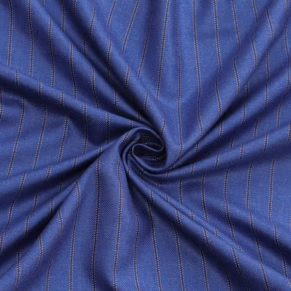
5. Textured Fabrics (Herringbone, Tweed, etc.)
Textured fabrics are the place where fashion is a part of individuality.
Patterns such as herringbone or tweed and many other weaves give a unique and distinctive look to your look.
Why they’re becoming more popular:
- Make yourself stand out from plain textiles
- Add visual richness
- The perfect accessory for statements pieces
These fabrics are particularly efficient for:
- Winter attire
- Occasion-based attire
- Premium collections
If you’re looking for your outfit to stand out the textured fabric is an excellent option.
Choosing Fabric Based on Indian Climate
The diverse climate of India can make fabric selection more important.
Summer (Hot & Humid)
The best option:
- Cotton
- Linen
- Lightweight wool
Avoid thick and heavy blends.
Winter (Cold Regions / Seasons)
Best choices:
- Wool
- Tweed
- Heavier blends
These fabrics offer insulation while preserving the structure.
All-Season Strategy
If you’re looking for a versatile choice:
Select middle-weight wool
It’s well adapted to temperature variations and can be used for a variety of occasions.
Understanding Fabric Weight (GSM)
The GSM (grams for each square inch) will determine how light or heavy the fabric feels.
- 150-250 GSM: Lightweight (summer-friendly)
- 250 to 350 GSM All-season fabrics
- 350+ GSM Winter heavy fabrics
It is a common belief that fabric with more weight is always the best.
It’s not the case.
The correct GSM is based on:
- Climate
- Usage
- Personal security and comfort
For the majority of Indian buyers 250-320 GSM is the ideal range.
How to Identify High-Quality Suit Fabric
When looking at fabric you should not solely rely on brand names or assertions.
Check these signs:
1. Weave Consistency
Premium fabrics are made of tightly-woven, uniform weaves that are free of any irregularities.
2. Texture Feel
The fabric is silky and soft, but not overly rough or slippery.
3. Recovery Test
The fabric is a little squishy and let it fall off.
Fabric of high-end quality bounces back with speed, without deep wrinkles.
4. Natural Finish
Do not choose fabrics too shiny, as they often signify synthetic content.
Common Mistakes Buyers Make
Even the most experienced buyers can make these errors:
1. Choosing Price Over Quality
Fabrics that are cheap often result in an appearance and durability that is not as good.
2. Ignoring Climate
Shopping for wool with a heavy weight to wear during Indian the summer months is a frequent error.
3. Falling for Marketing Terms
Words like “Italian finish” don’t guarantee quality.
4. Not Checking Fabric Composition
Always inquire:
- Are they pure or mixed?
- What percentage of synthetic materials is being used?
Best Suit Fabric for Different Occasions
Selecting a fabric based on the use case enhances value and performance.
Office Wear
- Lightweight wool
- Wool blends
Practical and professional.
Weddings & Formal Events
- Premium wool
- Textured fabrics
It adds elegance and richness.
Daily Wear
- Poly-viscose blends
- Cotton
Affordable and durable.
Summer Events
- Linen
- Cotton
Comfort-focused choices.
Building a Smart Suit Fabric Wardrobe
Instead of buying random items make sure you have a planned wardrobe.
Begin by:
- Gray wool-colored suit – versatile and indispensable
- Navy dress is perfect for formal and business events.
- Fabric suit with texture (like herringbone) — adds the look of a suit.
This combination is suitable for almost every situation.
The Future of Suit Fabrics in India
Market in India is shifting. Indian market is undergoing a shift.
Customers are becoming more observant and discerning. Instead of purchasing pre-made suits, many are:
- Investing in top fabrics
- The choice of customization
- Prioritizing long-term value over savings
This trend is most evident in the world of entrepreneurs and professionals who are aware of the effect of appearance on the perception.
Final Thoughts
A suit isn’t just stitched, it is constructed.
The fabric is the base.
If you concentrate on tailoring, and not focusing on fabrics, you reduce the potential of your whole outfit.
However, when you select the appropriate fabric:
- Your suit looks sharper
- Feels more at ease
- It lasts longer
- It also leaves a more lasting impression
The bottom line is that some might not recognize fabric names but they are able to recognize quality.
Read More
What is Linen fabric ?