How to Stitch a Perfect Bespoke Suit: The Complete Guide to True Tailoring Excellence

In a world that is dominated by the mass-production of clothes, a custom suit is the ultimate standard for fashion for men. It’s more than just a piece of clothing an bespoke suit is a statement of your own, a expression of individuality, craftsmanship and timeless style. While many are impressed by the final product, very few are aware of the intricate process of creating the perfect custom-made suit.
From choosing the best fabric to making precise measurements and finishing every aspect, tailoring bespoke is a craft that requires skill, patience and a keen eye for the smallest of details. In this tutorial we’ll guide you through the entire procedure of making a perfect tailored suit. We’ll also discuss the reasons the reasons why bespoke tailoring continues be the preferred option for men who value the quality of their clothes and fit above all other things.
What Is a Bespoke Suit?
A tailored suit is that is entirely made from scratch based on the customer’s measurements preferences, measurements, and body shape. In contrast to off-the-rack clothes or custom-made suits, a custom-made suit begins with a specific pattern on paper designed specifically for the person.
Every part of the suit — from the lapel’s width and button location to the shoulder construction as well as the sleeve’s length–is tailored to create the perfect fit and distinct design.
The result is an outfit that not only is stunning but also feels natural and comfortable to wear.
Step 1: Choosing the Right Fabric
The basis of any great tailor-made suit begins by selecting the appropriate fabric.
Tailors usually offer a broad selection of top-quality materials for example:
- Wool
- Herringbone wool
- Linen
- Cotton
- Tweed
- Mohair blends
- Wool-silk blends
- Cashmere blends
When picking a fabric, many elements should be considered
Climate
Lightweight fabrics like the tropical and linen are great for warmer climates, whereas flannels that are thicker and heavier will are more effective during the colder months.
Occasion
Business suits typically benefit from charcoal, navy, and gray fabric, whereas weddings and special events permit more creative use of patterns and shades.
Durability
Wool fabrics of higher quality typically provide great durability and will maintain their form and appearance as they age.
The selection of the fabric is vital because it decides the suit’s style, comfort as well as its durability.
Step 2: Taking Precise Measurements
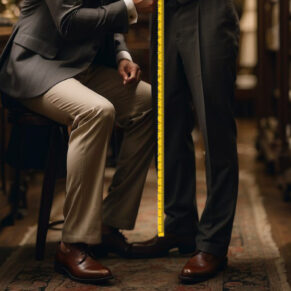
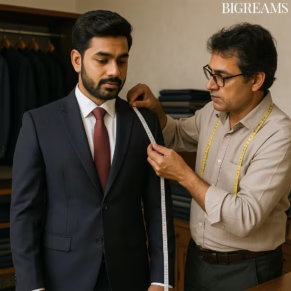
Accurate measurements are the foundation of tailoring bespoke.
A professional tailor records numerous measurements, including:
- Chest circumference
- Waist circumference
- Seat measurement
- Shoulder length
- Sleeve length
- Jacket length
- Neck measurement
- Inseam and outseam
- Measurements of the knee and thigh
- Posture and observation of stance
But, just measuring isn’t enough.
A skilled tailor can also assess:
- Shoulder slope
- Balance of the body
- Arm position
- Chest prominence
- Posture irregularities
- Asymmetry in the body
Since there is no way to be completely perfect, these measurements let the tailor compensate for the natural variation and provide an individual fitting.
Step 3: Drafting the Individual Pattern
Contrary to factory-made suits, which are based on standardized sizes and fitting, tailoring bespoke involves the creation of the pattern on paper that is unique to every client.
The pattern serves as the basis of the dress.
This stage comprises:
- Drafting the front and back panels
- Designing sleeves
- Lapel proportions are a factor to consider when determining the lapel.
- The setting of button positions
- Setting up pockets
- Adjusting the waist compression
The tailor balances the aesthetics with the practical to ensure the suit is appropriate to the physique of the wearer.
A well-designed pattern is typically considered to be among many of the best assets of an bespoke tailoring company.
Step 4: Cutting the Fabric
After the pattern has been finalized The material is cut and laid out manually.
The precision is crucial in this process, as even small cutting mistakes can impact the final fitting.
The tailor is careful to align:
- Fabric grain
- Pattern that matches
- Checks and stripes
- Directional textures
High-end fabrics require a lot of concentration on detail, especially when dealing with herringbone windowpane, pinstripe or plaid designs.
Each panel will be cut in the aim of creating a seamless visual line across the entire fabric.
Step 5: Constructing the Canvas
One of the most distinctive features of a bespoke suit made from top quality is the canvas design.
Instead of the interlinings that are fused as in mass-produced suits, bespoke clothes make use of floating canvas.
The canvas is comprised of:
- Horsehair
- Wool
- Cotton blends
This structure inside aids the jacket to:
- Keep its shape
- Improve drape
- Enhance durability
- Naturally conform to the wearer’s body as time passes
A floating canvas lets the jacket get older gracefully and create an individual fit through regular wear.
Step 6: The First Basting Fitting
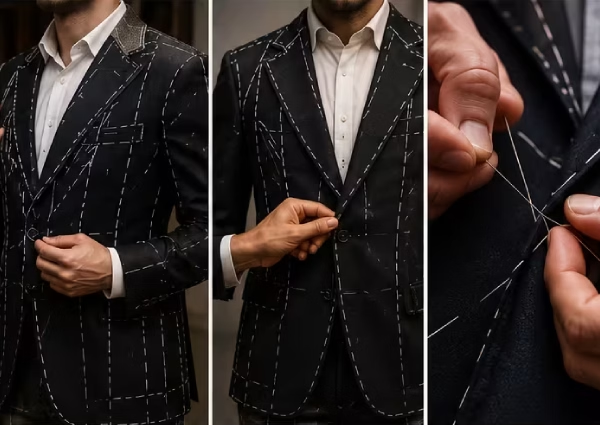
The suit is assembled loosely with temporary stitches to allow to make initial fitting.
In this phase, a number of important elements are being evaluated:
- Balance of the shoulders
- Chest fit
- Waist shape
- Sleeve position
- Jacket length
- Trouser rise
- Trouser taper
This allows the tailor to make necessary adjustments prior to the permanent stitching process starting.
The first fitting is usually the point at which the magic of tailoring bespoke is truly realized, as the garment begins to transform from a simple fabric to an intricate shape that is custom-made to the body of the client.
Step 7: Refining the Fit
Following the initial fitting the tailor will make specific adjustments.
Common modifications can include:
- Adjusting shoulder alignment
- Refining waist compression
- Correcting pitch of the sleeve
- Improved trouser break
- Fronts of jackets that balance
- Reducing tension on fabric
A bespoke suit can be fitted multiple times before being completed.
This repeated process makes sure that each component works in harmony.
The importance of patience is that the process of perfection cannot be put off.
Step 8: Permanent Stitching and Hand Finishing
After the fit has been accepted, construction can begin permanently.
Many tailoring firms of the highest quality still rely heavily on handwork.
The hand-finished parts typically comprise:
- Lapels that are sewn with a hand
- Functional buttonholes
- Pick stitching
- Collar attachment
- Lining installation
- Finishing of the sleeves
The handmade elements add appearance and durability, while also demonstrating the craftsmanship of tailors.
Hand sewing can also provide greater flexibility than machine stitching, which results in an elegant and natural look.
Step 9: Pressing and Shaping
Professional pressing is more than simply taking wrinkles off.
Tailors employ specific methods to shape the fabric to enhance the shape of the suit.
Steam and pressing can help:
- Create smooth lapel rolls
- Fronts of jackets with shape
- Refine the contours of the sleeve
- Improve the creases of trouser pants
- Improve overall drape
Properly pressed fabrics contribute significantly to the elegant appearance that comes with customized design.
Step 10: Final Quality Inspection
Before being delivered the suit is subjected to an exhaustive quality test.
The tailor examines:
- Seam consistency
- Pattern alignment
- Button position
- Sleeve symmetry
- Collar fit
- Finishing the pocket
- Balance of Trouser
Every aspect is examined to ensure that the final product is up to the highest standards.
Only after this final test is the suit considered to be complete.
Characteristics of a Perfect Bespoke Suit
A tailored, custom-made suit must exhibit a number of important attributes:
Flawless Fit
The suit must follow the body’s natural lines, without pulling or bunching fabric.
Comfortable Movement
This suit of armor allows for the freedom to move while keeping the appearance of a professional.
Balanced Proportions
The width of the lapel, pockets size length of jacket, lapel width, and trouser taper should be matched to the physique of the wearer.
Natural Drape
It should be flowing beautifully between the chest and shoulders without causing any distortion.
Longevity
The high-end construction guarantees that the suit will remain attractive and durable for many decades.
Why Bespoke Suits Are Worth the Investment
A lot of people focus initially on the price of a custom-made suit, but experienced clients appreciate the importance of a custom suit.
A custom suit can provide:
- Superior fit
- Personalized design
- Premium materials
- Awe-inspiring workmanship
- Greater durability
- Improved confidence
Unlike fast fashion, bespoke tailoring prioritizes quality over quantity.
This results in a piece that looks amazing but also gives many years of wear and satisfaction.
Final Thoughts
The perfect tailor-made suit is a process based on craftsmanship, precision, and a keen eye for the smallest of details. Each step, from fabric selection to the pattern’s drafting, to fittings and hand-finishing–plays crucial roles in making an item that is specifically made for the individual.
A tailored suit is much more than clothes it’s a relationship between the tailor and the client who combine technical expertise with individual design. If it is done right the suit is an investment of timeless quality that provides unparalleled comfort, confidence, and style.
In the age where mass manufacturing is commonplace, tailoring for bespoke clients remains an ode to the unchanging importance of handwork.