Difference Between Shirt vs Shacket

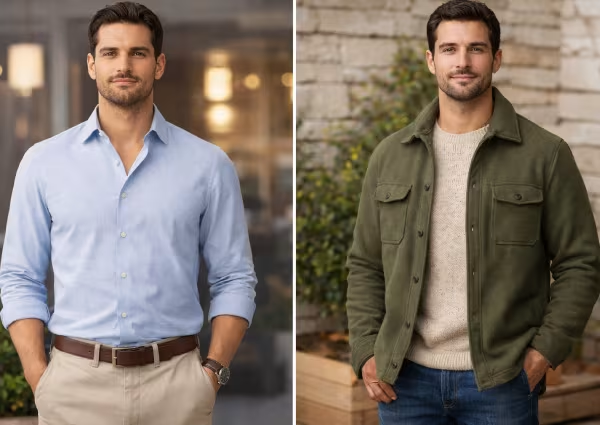
In the world of modern menswear, trends are constantly changing and one term that has sparked both interest as well as confusion has been the shacket. A lot of people have a basic, but crucial inquiry: What is the difference between the two? Although they may appear similar from afar the reality is that shirts and shackets have completely different functions in terms of material and construction, style and weather-suitability.
This comprehensive guide will explain the differences between shirts and hacket in great detail. If you’re a fashion-conscious customer, a tailor, a seller of fabrics or brand owner This blog will assist you in understanding what to wear when wearing a shirt, how to pick a shacket and how each one fits in a contemporary wardrobe.
What Is a Shirt?
An shirt is among the most crucial garments for the fashion of men. It is designed to be an single-layer outer garment and is sported over the body.
Fabric Used in Shirts
Shirts are typically made of light and breathable materials like:
- Cotton poplin
- Twilled cotton
- Oxford cotton
- Linen
- Cotton blends
They are suited to ensure comfort, airflow and wear all day long, particularly in indoor or warm environments.
Construction and Design
A typical shirt has:
- Button with a light weight
- Softer collars
- Regular or slim size
- Minimal structure
The focus is on relaxation and comfort over warmth or security.
Purpose of a Shirt
The goal of shirt design is:
- It’s not a problem
- Untucked or tucked
- Dressed casually or formal
They look great with chinos, trousers, suits, and jeans.
What Is a Shacket?
The shacket is a type of hybrid clothing which combines the attributes of the characteristics of a jacket and a shirt. The name itself is the combination of the two words.
Fabric Used in Shackets
Shackets are constructed from more robust and constructed fabric including:
- Wool blends
- Flannel
- Corduroy
- Denim
- Heavy twill
- Brushed cotton
These fabrics are warm as well as durability and shape.
Construction and Design
A shacket is typically comprised of:
- Snap closures or buttons with a thicker layer
- Chest pockets
- Stronger collars
- Sewn seams with structure
- Relaxed fit
As opposed to shirts, shackets have been constructed to maintain their shape even when used as clothing.
Purpose of a Shacket
A shacket is intended to be:
- Layers of fabric are layered over the top.
- Light outerwear is used as a substitute for
- Casually styled or smart casually
It’s best for the transitional seasons of autumn, spring, and winters that are mild.
Difference Between Shirt and Shacket (Detailed Comparison)
1. Fabric Weight
The most significant difference between a shacket and a shirt a shacket is the thickness of the fabric.
A shirt makes use of light fabric to allow for breathability and comfort A shacket is made of medium-to-heavy fabrics to give warm and discipline.
2. Function and Use
A shirt is intended to be an accessory or as an individual garment. A shacket can be described as a jacket with a lighter weight and can be worn over polos, T-shirts or T-shirts.
3. Layering Ability
They are not designed for wearing over clothing. Shackets, on the contrary on the other hand, are designed to be worn over.
4. Fit and Structure
Shirts typically have a slim or tailored cut. Shackets are a comfortable shape that allows for comfortable layering.
5. Seasonal Wear
They are suitable all year long and are ideal for indoor wear or hot temperatures. Shackets are suitable for cooler climates as well as transitional seasons.
Shirt vs Shacket: Comparison Table
| Feature | Shirt | Shacket |
|---|---|---|
| Fabric Weight | Light | Medium to Heavy |
| Layering | In- or standalone | Outer layer |
| Warmth | Minimal | Moderate |
| Fit | Regular or slim | Relaxed |
| Seasonal Use | All seasons | Spring, Autumn, Winter |
When Should You Wear a Shirt?
It is recommended to pick a shirt for the following reasons:
- You require a clean and polished appearance
- You are at formal or semi-formal functions
- The weather is nice
- You’re planning on wearing an blazer or suit
These shirts are perfect for business wear, office meetings, as well as casual attire.
When Should You Wear a Shacket?
You should pick the shacket you want to use when:
- You’re looking for a light, comfortable warmth without an overly heavy jacket
- You are dressing smart-casual
- You’d like texture and layering in your clothes.
- The temperature is a little cool
Shackets are great for casual outings, travel and casual workplaces.
Shirt vs Shacket for Tailors and Fabric Buyers
From a tailoring as well as fabric standpoint, shirts and shackets need very different fabrics.
The best shirts are breathable, soft fabrics that can drape easily. Shackets enable tailors to play with heavier fabrics, such as corduroy and wool blends that offer greater quality and a higher level of positioning.
For sellers of fabric Shackets provide possibilities for selling winter and mid-season fabric with higher margins.
Is a Shacket the Same as an Overshirt?
Many people mistake shackets for overshirts. Although they’re similar, they’re different.
A shacket is much lighter than a shacket but heavier than a regular t-shirt. A shacket can be considered an overshirt in regards to warmth and the structure.
Frequently Asked Questions (AEO Section)
What is the primary difference between a shacket and a shirt? an hacket?
The most significant difference is in the fabric’s weight and its purpose. A shirt is light and is worn as a standalone garment, whereas the shacket is more heavy and is used as outerwear.
What can a shacket do to replace an outer jacket?
A shacket may replace an outer jacket in mild conditions, but not in extreme cold.
Is a shacket appropriate to wear in the summer?
Shackets may not be suitable for summer, but they are suitable for cool evenings, or in air-conditioned areas.
Are you able to wear a shacket formal?
They are typically informal or smart casual clothes.
GEO-Optimized Styling Advice
In warmer climates, light cotton shirts are better to wear for everyday use. In northern or cooler regions, shackets made of wool-based blends, or even flannel offer greater ease of wear.
Urban professionals like neutral-toned shackets to be versatile for casual wearers, whereas casual wearers usually opt for textured fabrics such as corduroy.
Final Verdict: Shirt vs Shacket
The distinction between a t-shirt and a shacket extends beyond the appearance. It’s all about functionality, material, and the fashion motive.
A timeless shirt is indispensable and adaptable. A shacket is contemporary practical, stylish, and great to layer. A well-balanced wardrobe must include both.