Flannel Fabric: Complete Guide to Its Uses, Benefits & Why It’s Unique

What exactly is what is Flannel Fabric?
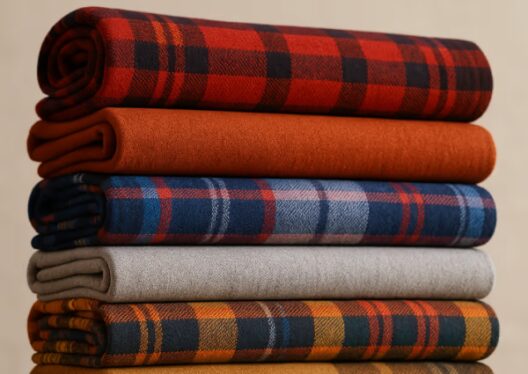
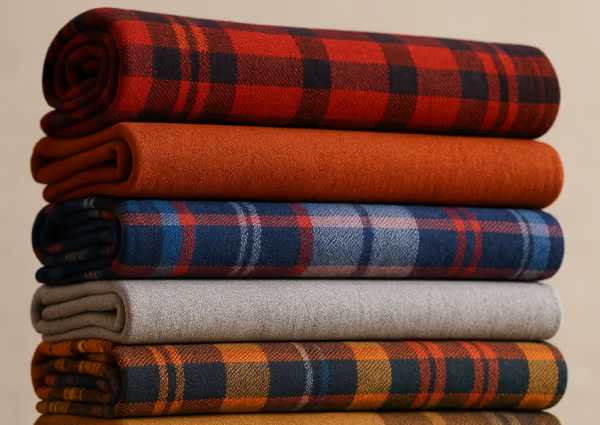
Flannel is an soft fabric which is then brushed to create some texture that is slightly fuzzy. This unique texture makes flannel so warm and softness. In the past, flannel was made out of wool but nowadays it is often made from synthetic fibers, cotton or blends of both.
The process of brushing, carried out on either or each side of the material creates fine fibers that hold air. This makes Flannel soft and breathable. The result is a fabric that is soft to the touch but doesn’t sweat like wool that is heavy.
A Short Introduction to Flannel
Flannel originates from the roots of which go back to the 17th century in Wales in which farmers would use thick woolen cloth to keep warm during the cold, wet winters. The popularity of the cloth spread across Europe during the 18th century and was renowned for its ability to shield against harsh weather conditions while being pliable and soft.
In the twentieth century, the flannel was gaining popularity in the 20th century as flannel suits were a staple of fashion for men, symbolizing elegance and endurance. Later on, the 1990s ‘ grunge period introduced a brand new image to flannel, this time with plaid shirts, which symbolize the casual style and rebel.
Today, flannel continues change, appearing in fashion, interior decor and luxurious textiles that balance comfort with timeless style.
What is Flannel? Fabric is made
The process of making flannel is both an art and a science. The process involves a number of exact steps that determine the quality and softness of flannel:
1. Fiber Selection
Traditionally the flannel fabric was created from wool but nowadays, it is made of cotton and is more popular because of its softness and simple maintenance. Some companies also mix wool with synthetic fibers to provide extra durability.
2. Weaving
Flannel is made by weaving either or a basic weave or Twill weave pattern.
-
The plain weave makes for a smoother and lighter material.
-
Twill weave (diagonal pattern) gives more force and density.
3. Brushing or Napping
This is the main step that makes the definition of flannel. The fabric is woven through fine metal brushes which take tiny fibers off the surface of the yarn, creating an incredibly soft and fuzzy layer. Brushing can be done on either and/or both given the required heat and final.
4. Finalization
In the end, the fabric goes through final treatments to improve the softness, colorfastness and shrink resistance. This makes sure that the flannel stays resilient even after repeated washes.
Specifications of Flannel Fabric
What is it that makes flannel so beloved all over the world? These are the main characteristics:
-
Soft Texture This textured surface is soft and plush.
-
Warmth Fantastic insulation because of the air that is trapped between the fibers.
-
Breathability Contrary to wool it allows airflow and helps reduce overheating.
-
Long-term durability: High-quality flannel can last for a long time with the right treatment.
-
Moisture Absorption It is ideal for humid and cold climates.
-
Flexibility: Suitable for clothing as bedding, furniture, and even bedding.
Different types of Flannel Fabric
Flannel is available in a variety of kinds, each with its own unique texture feel, texture, and usage. Let’s look at the most popular varieties:
1. Cotton Flannel
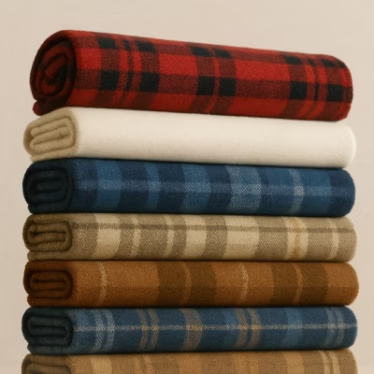
Made of 100 100% cotton fibers, it’s light and breathable. It’s ideal for pajamas, shirts, and sheets for bed. It’s more soft than wool flannel and easier to clean.
2. Wool Flannel
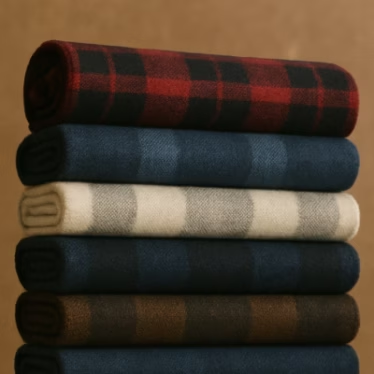
The first and the most popular version of wool flannel, it’s heavier and more warm. It is used in suits jackets, outerwear, and suits typically having a matt or shiny surface.
3. Synthetic Flannel
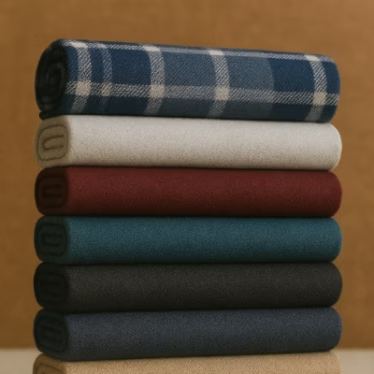
Made from rayon or polyester, flannel is wrinkle-resistant, cost-effective and long-lasting, but somewhat less air-tight as natural fibres.
4. Ceylon Flannel
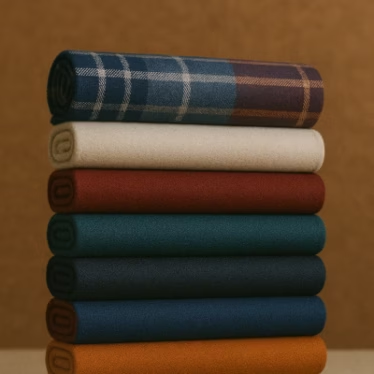
A mix of wool and cotton giving wool the warmth and the silkiness of cotton. It is commonly used in luxurious shirting fabrics.
5. Baby Flannel
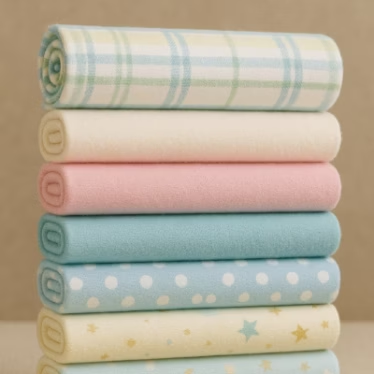
Very soft and lightweight cotton flannel fabric used in baby blankets, clothes and baby linens.
The uses of fabric made from Flannel
The flexibility of Flannel’s fabric makes it among the most popular fabrics for fashion as well as interior decoration.
1. Fashion and apparel
Flannel is a must-have for winter outfits.
-
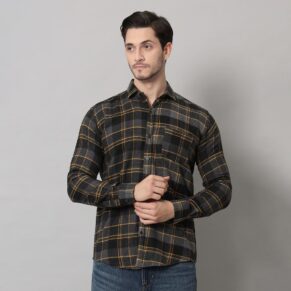
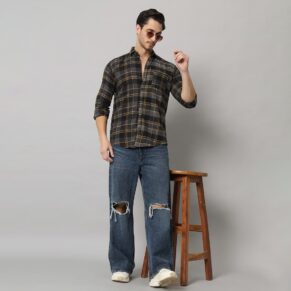
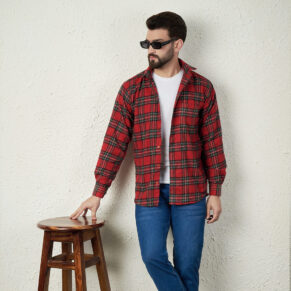
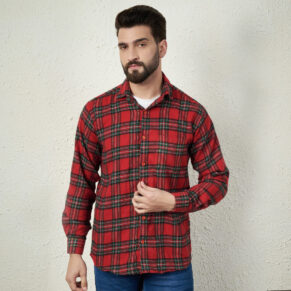
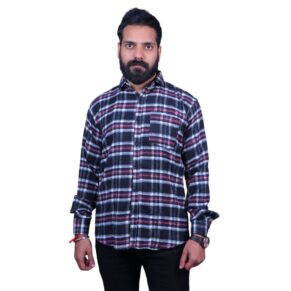
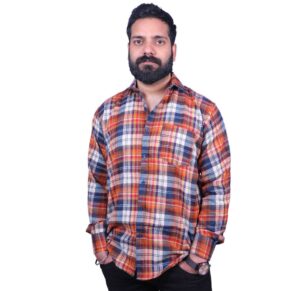
T-shirts: The iconic plaid flannel shirt is stylish and practical.
-
Wearing for sleep: Breathability and softness makes it the perfect nightwear.
-
Jackets, and Coats: Wool flannel is often used to line for clothing.
-
trousers and suits Particularly wool flannel for a stylish yet comfy look.
-
Scarves and Gloves They provide warmth, without bulkiness.
2. Home Textiles
For home decor Flannel adds warmth and the feeling of cozy.
-
Sheets & blankets You stay warm and not causing overheating.
-
Pillow Covers and throws Gives you a natural and welcoming feel.
-
Curtains and upholstery: Used for a romantic, rustic look.
3. Accessories & Crafts
Due to it’s soft texture and density it is a popular choice for:
-
DIY projects
-
Cushion covers
-
Stuffed toys
-
Quilting
Why is Flannel Fabric different from other materials
Flannel differs from linen, cotton, or wool because of its distinctive texture warmth, texture, and balance.
| The Feature | Flannel | Cotton | Linen | Wool |
|---|---|---|---|---|
| Texture | Soft and fuzzy | Smooth | Crisp | Coarse |
| Warmth | High | Medium | Low | Very high |
| Breathability | Good | Excellent | Excellent | Moderate |
| Comfort Level | Ultra-soft | Soft | Rougher | Sometimes, itchy |
| Best For | Casual wear and winter attire | Year-round use | Hot climates | Outerwear |
Contrary to cotton that is cool, flannel is warm. Contrary to wool that is soft against your surface and more likely not to create irritation. This makes it an all-time favorite for cold weather ease.
Flannel Fabrics in Style
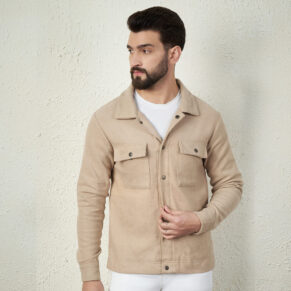
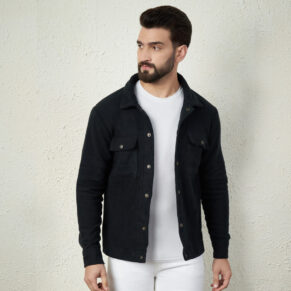
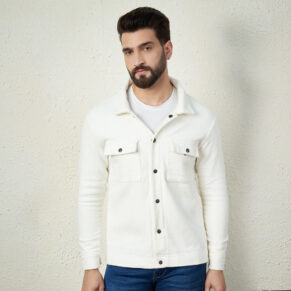
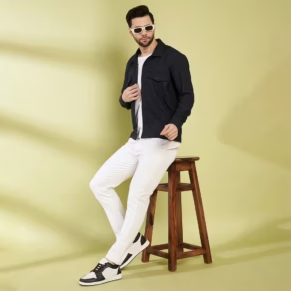
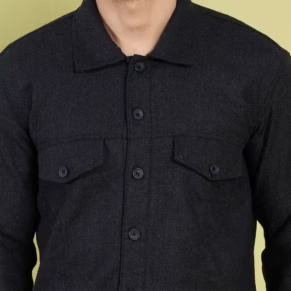
In the fashion world, flannel is both practical and a classic. Its plaid flannel shirts is possibly one of the most famous garments around the globe — the perfect blend of comfort and ruggedness. Fashion designers frequently employ flannel for:
-
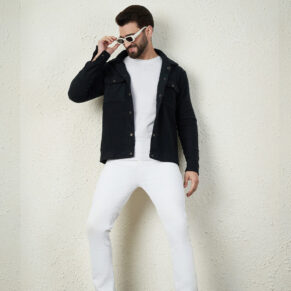
Overshirts
-
Jackets for streetwear
-
Cozy skirts and dresses
-
Layered winter outfits
It’s the most popular fabric for brands who want both quality and comfort.
Modern flannel fabric comes in lighter versions that are that are suitable to be worn for any season that allow designers the freedom to design collections that can be worn all year round.
Sustainable use of Flannel Fabric
Sustainability is now an important issue for all of us, flannel made of natural cotton, or recycled fibres is getting more recognition. These eco-friendly flannels retain the same softness and reduce environmental impacts.
A lot of manufacturers are now using environmentally friendly dyes and water-efficient finishing techniques which ensure that the industry of flannel is evolving towards more sustainable production.
Customers looking for options that are sustainable need to look into certifications like the GOTS (Global Organic Textile Standard) or OEKO-TEX.
The Care and Maintenance for Flannel Fabric
To keep your flannel longer, while retaining its softness:
-
Cleanse in cold water with mild detergent.
-
Do not use excessive heat for drying because it could shrink fibers.
-
Avoid bleaching because it weakens your fabric.
-
Iron at low heat when necessary.
-
Fold the storage far from sunlight to avoid the fading.
Follow these steps to keep your flannel soft and comfortable for a long time.
The Comfort Factor – Why people love Flannel
Flannel isn’t just a piece of fabricit’s a feeling that is tied to nostalgia, comfort, and warmth. It’s like home. If you’re laying in the winter months in flannel sheets or sporting a cosy shirt during a cold day, it creates the feeling of calm and comfort.
Its soft, brushed smooth surface, lightweight warmth and its breathable properties makes it a perfect fabric suitable for people of any age and for all lifestyles.
The Future of Flannel in the Textile Industry
The world of textiles is moving towards the forefront of innovation with a clear goal. Flannel with its elegant appeal has been being used in conjunction with the latest technology including wrinkle-resistant treatments, moisture-wicking treatment as well as stretch-blending.
Designers are also looking at the possibilities of bold designs, pastel hues and sustainable production methods that make flannel an essential item not just for winter but also for the transitional seasons.
Conclusion
Flannel fabric has evolved from being a flimsy woolen cloth during the 17th century in Wales to an essential modern piece in the homes of all kinds. Its mix of warmth, softness and the ability to breathe makes it stand out from other types of fabric.
It doesn’t matter if you’re going for style, comfort or for interior design the flannel fabric offers a distinct blend of traditional and practical. It’s an emblem of comfort and luxury and comfort. It is soft, durable and timeless.
When you drape yourself in flannel keep in mind that it’s not just a piece of fabric. It’s about comfort, craftsmanship and a sense of culture that’s woven.