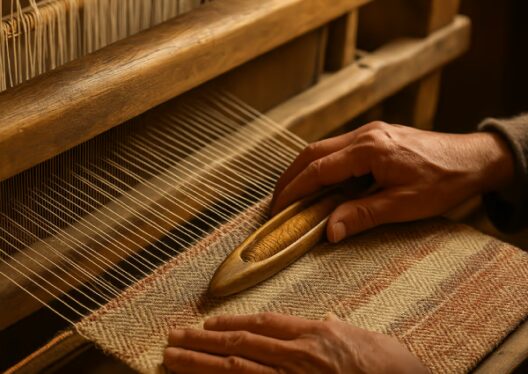
Fabric Heritage: The Story, History & Legacy of the World’s Most Iconic Textiles

1. The Story Begins: Humanity’s First Threads
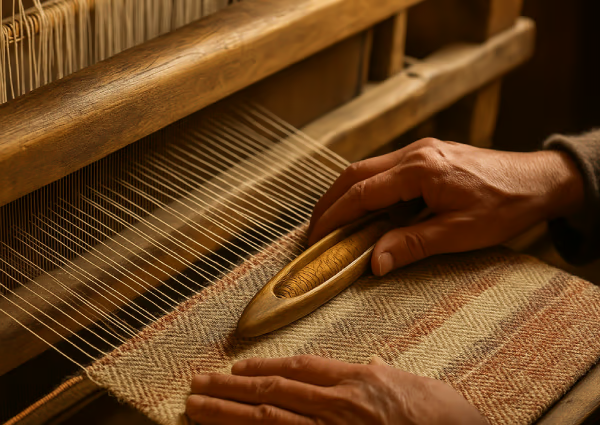
Before labels or designers, or catwalks -there was the loom.
Fabric is one of humanity’s most ancient inventions. From the first textiles made of plant fibers and on to silks that were luxuriously that were traded on the Silk Road, textiles have revealed the history of civilizations way before words could.
Archaeologists believe the first textiles were made more than 30000 years ago as early people twisted plant fibers into cords. The cords were weaved or plaited to create primitive fabrics, and were not only to dress, but to shelter and for rituals.
As trade and agriculture grew textiles evolved from necessity to a sense of identity. Each region began to communicate its culture, climate, and values through its fabrics and gave rise to what we call heritage textiles.
2. Fabric as Culture: Threads That Defined Civilizations
Each great culture had its own distinctive fabric -a piece of cloth that not only embodied its artistic merits, but also its soul.
Egypt: Linen, the Fabric of Purity
The ancient Egyptians created the first linen-woven fabric at around the time of 4,000 BCE. It was breathable and lightweight, and was used as a fabric for both life and death. It was utilized in mummification, and temple hangings.
Linen represented light and purity appropriate for a culture obsessed with sun and the eternal.
India: Cotton and Craftsmanship
The Indian cotton trade changed the face of global commerce. By the time it was 3,000 BCE artisans from the Indus Valley were spinning fine cotton threads, and dyeing them with indigo natural and madder.
This was the beginning of weavings from the past such as Khadi, ikat along with jamdani and are revered for their hand-loom art today.
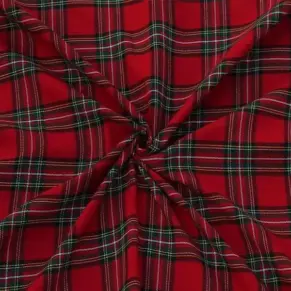
Unstitched Tartan Red Checkered Fabric
Original price was: ₹349.₹289Current price is: ₹289.Per Meter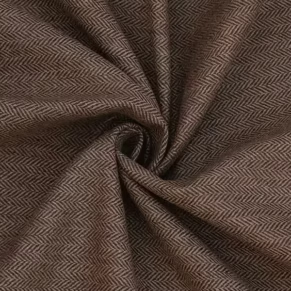
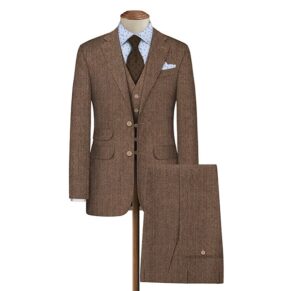
Brown Herringbone Wool Blazer Fabric
Original price was: ₹978.₹699Current price is: ₹699.Per Meter
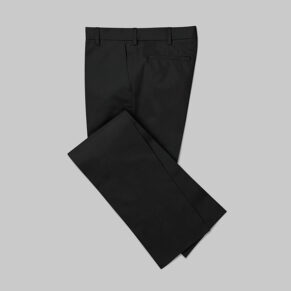
Black Wrinkle Free Stretchable Twill Pants Fabric
Original price was: ₹558.₹399Current price is: ₹399.Per MeterChina: The Birthplace of Silk
Few materials have changed the course of history as silk. Legend has it that the Empress Leizu spotted it when the cocoon fell into her tea and unraveled into delicate thread.
China guarded silk’s secrets for centuries and sparked an era known as the Silk Road -one of the most important trading networks.
Silk was the basis for the royal family, diplomacy and power.
Europe: The Rise of Wool & Renaissance Weaving
From medieval cloisters from medieval cloisters to Venetian workshop, Europe built its textile power from brocade, wool and velvet. The Renaissance was when Italian weaving machines produced designs that reflected the nobility.
England in the meantime, meanwhile, refined most of the wool laid the groundwork for the modern tailoring and suiting fabrics used to this day.
3. The Evolution of Fabric Heritage
Fabric history doesn’t stand still -It’s an ongoing process of innovation, technique, and emotions.
The Industrial Revolution: From Handloom to Machine
The 18th century changed weaving forever. The power of looms, spinning machines and cotton mills made it easier to weave textiles, making it more accessible to large majority.
However, what was gained in efficiency was often at the expense of workmanship. The handloom trade particularly in Asia was a victim -yet many craftsmen retained their craft in small communities while quietly preserving traditions that would later be the inspiration for to create the “slow fashion” movement.
The Colonial Era: Fabric as Power and Resistance
Textiles were more than just commercethey were also a form of politics.
When the British colonized India they brought in machines-made cotton to destroy the local handloom industry.
In reaction, Mahatma Gandhi’s Khadi Movement transformed the humble fabric into an emblem of self-reliance, and resistance.
Fabric became liberation.
The Modern Age: Revival of Heritage Fabrics
Today, the traditional fabrics are resurfacing as an alternative to fast fashion. Fashion designers, tailors, and conscious brands have embraced traditional weaves, sustainable production and the stories in every fabric.
The world is waking up the importance of that the heritage of our country isn’t outdated. It’s timeless.
4. The Art of Making: Inside the Craftsmanship
Every heritage fabric begins with hands – expert, patient, and precise.
-
The Fiber: Whether it’s wool from the highlands or cotton from Gujarat or silk from Hangzhou The quality starts from the source.
-
Spin: the rhythmic spinning of wheels, which transforms the fibers of raw material into threads.
-
Dyeing The natural dyes of turmeric, indigo or madder root give hues that synthetic colors cannot duplicate.
-
weaving: The looms tell an interesting story. Every pattern is a symbol of meaning from totems of the tribe or royal emblems.
In the tradition of textiles from the past No two textiles are ever exactly the same. The imperfections aren’t faults; they’re authentic fingerprints.
5. European Heritage Fabrics: The Tailor’s Legacy
The rich fabric of Europe has shaped the fashion of today.
-
Tweed (Scotland): Born from harsh weather and rough terrain, tweed’s warmth as well as texture have made it popular with British country styles.
-
Wool (England): Towns similar to Huddersfield and Yorkshire were the basis in the worldwide suiting market, supplying exquisite worsteds for Savile Row tailors.
-
Linen (Ireland and France): Light comfortable, breathable and elegant -a must-have summer garment for long stretches of.
-
Velvet & Brocade (Italy): Luxurious weaves that define Renaissance wealth.
In the present, any garment with the words “Made in Italy” or “Milled in England” carries the prestige of the centuries of craft.
6. Indian Heritage Fabrics: The Soul of Weaving
The discussion about heritage in textiles cannot be completed without India as the world’s longest continuous tradition of textiles.
Iconic Indian Weaves & Textiles
-
Khadi Simple, hand-spun cotton and symbolic – weaving into the nation’s identity.
-
Banarasi Silk Silver and gold Zari work, previously reserved for royals.
-
Kanchipuram Silk South Indian temple-inspired designs, woven on heavy weaving looms.
-
Ikat An art that resists dyeing which produces intricate blurred patterns.
-
Jamdani A delicate muslin weave that was so light it was once referred to by the term “woven air.”
Each one is more than just fabricit’s a living legacy that has been passed down through generations of weavers.
7. Japan, Africa & Beyond: Threads of Identity
Japan: The Philosophy of Perfection
Japanese textiles express “wabi-sabi” -beauty hidden in imperfections.
From indigo-dyed Kasuri to the boro patchwork, each piece is a symbol of the importance of sustainability and respect for materials.
Africa: Color, Community, and Symbolism
African textiles such as Kente, Mudcloth as well as Ankara can’t be only decorative, they’re also languages. Each color and pattern has historical significance, and records the past in patterns.
8. From Heritage to High Fashion
The greatest fashion designers have always drawn inspiration from the fabric’s history:
-
Coco Chanel used Scottish Tweed to change the way women’s tailoring is done.
-
Yves Saint Laurent reinvented Moroccan fabrics for high-end couture.
-
Sabyasachi Mukherjee and Ritu Kumar revived Indian handlooms for global runways.
-
Ralph Lauren romanticized English tartans and wools for American elegantness.
What started in the villages and looms is now the most glitzy stages in the world.
9. Heritage Meets Sustainability
The revival of traditional fabrics is closely connected in fashion’s slow fashion trend.
Handwoven, naturally dyed and ethically made Textiles from the past are eco-friendly by their design.
No factory garbage No synthetic dyes, and no quick cuts. Only tradition, time and the ability to create.
If you opt for a the heritage fabric you aren’t just wearing the product, you are preserving an entire ecosystem of community, culture and art.
10. The Future of Fabric Heritage
The world of technology and the old ways are interspersed in fascinating ways.
-
Digital web looms replicate ancient patterns using modern-day precision.
-
Blockchain Textile tracking guarantees transparent trade as well as fair prices.
-
Bio-fabrication integrates sustainability with tradition Imagine khadi weaved from bamboo fiber, or wool that is blended by recycled silk.
Future generations of textile manufacturers will combine both the past and the future and continue the story.
To increase the strength of your group of content and credibility, you can link the following article:
Conclusion: Why Fabric Heritage Still Matters
Fabric is so much more than a fabric — it’s memories.
Every thread that you wear has a story to tell of farmers who produced this fiber and of craftsmen who spun it and dyed it, of the generations who passed on the art.
When you pick a the heritage fabric it’s not picking a fabric’s shade or texture but you’re also choosing the past.
“The hands that weave your fabric have touched history itself.”
In a world that is constantly racing for speed, the fabric heritage urges that we slow downand to cherish creativity, connection and the art of making.
Because the future of fashion will be in no way to anything modern rather to what’s significant..