Ironing vs Pressing: What’s the Real Difference and Why It Matters for Fabric Care

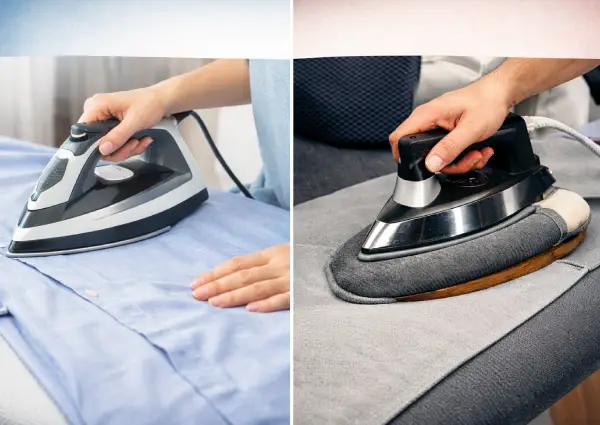
Clean, wrinkle-free fabrics are typically linked to good grooming and high-quality craftsmanship. But an often misunderstood areas in tailoring and garment care is the distinction between pressing and ironing. Many people tend to use the terms interchangeably, however in actual fact, ironing and pressing are two distinct techniques with each having each with its own reason for doing it.
Knowing the difference between pressing and ironing is vital, not only to prolong the life of clothing, but also to ensure the structure of fabric, tailoring with precision and finishing professional.
What is ironing?
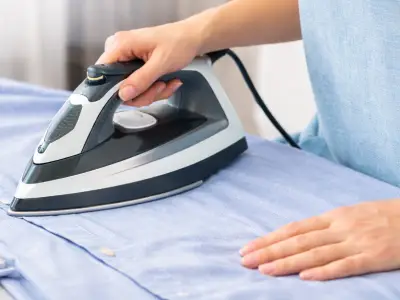
The process of ironing is a process for smoothing fabric which uses the use of a hot iron pushed between two places across the fabric to eliminate wrinkles and folds.
Important Characteristics of Ironing
-
Continuous back-and-forth motion
-
Covers large areas of fabric
-
The focus is on wrinkle removal
-
Common household method
Ironing is typically used to iron regular clothing like shirts, pants sheets, bedsheets, casual clothing.
What’s the Latest News?
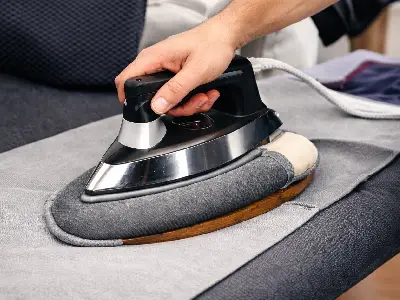
pressing is an stationary process in which it is moved, positioned, and then repositioned instead of sliding through the material.
The most important characteristics of pressing
-
Motions of lift and set
-
Controlled pressure
-
Precise shaping
-
The most common use of tailoring is in construction of garments
Pressing is an essential part of the professional process of tailoring particularly for coats, suits pleats, seams and well-constructed garments.
Pressing vs. Ironing The Basic Difference
| Features | Ironing | Pressing |
|---|---|---|
| Motion | Motion of sliding | Lift-and-place |
| Scope | Take care to remove wrinkles | Shape & set fabric |
| Pressure | Light to moderate | Firm and controlled |
| Precision | Low | High |
| Common Use | Clothing care at home | Tailoring and finishing |
What’s the difference between Ironing and pressing?
The wrong approach can:
-
Fabric grain distortion
-
Ruin garment shape
-
Cause scorching or shine
-
Reduce garment lifespan
Tailors don’t iron their suits as you iron a shirt. There’s an excellent reason for that.
Ironing: Benefits, Uses and Disadvantages
If Ironing is the Best Option
Ironing is great for the following reasons:
-
Fabric is light
-
The casual dress code is casual
-
Wrinkles are merely surface-level
Common Fabrics for Ironing
-
Cotton
-
Linen
-
Polyester blends
-
Curtains and sheets for bed
Benefits of Ironing
1. Fast Wrinkle Removal
It is easy to smooth large areas, making it a great option for wear and tear.
2. Simple to use at home
The majority of households have an iron, which makes ironing a breeze.
3. Fits Flat Garments
The clothes, scarves and table linens can benefit from ironing.
The disadvantages of ironing
1. Can Stretch Fabric
Sliding motion may distort delicate fabrics.
2. Not suitable for Structured Garments
Ironing can flatten pleats, lapels and seams.
3. Risk of Shine
The excess heat and pressure could result in shiny patches, particularly on dark fabrics.
Pressing: Benefits, Uses and Limitation
When pressing is the right Alternative
Pressing is used for:
-
It is essential to be precise
-
Garment has an outline
-
It is essential to maintain the shape of the body
Common Fabrics that are suitable for pressing
-
Wool
-
Tweed
-
Fabrics that are suitable for suiting
-
Textiles used for upholstery
Pros and Cons of Pressing
1. Keeps the Form of the Fabric
Pressing adheres to the fabric grain and the structure.
2. Essential to Tailoring
It is used for:
-
Seam construction
-
Lapel shaping
-
Pleat setting
3. Professional Finish
Pressing helps create sharp edges, without flattening the fabric.
Pros and Cons of Pressing
1. Time-Consuming
Pressing is a process that requires patience and technique.
2. Skills Required
Uncorrectly pressed fabric can permanently mark the fabric.
3. Not recommended for casual use.
Overkill for simple garments like t-shirts.
Ironing vs Pressing in Tailoring
When it comes to the process of tailoring, pressing is as important as sewing.
Tailors Use Pressing To:
-
Shape lapels
-
Set sleeves head
-
Define seams
-
Maintain garment balance
Ironing however is not recommended on garments that are tailored because it flattens dimension areas.
Pressing vs Ironing for different fabrics
Cotton & Linen
-
Ironing
-
Pressing may be optional
Wool and Blends of Wool
-
Pressing
-
The process of ironing (causes shine)
Synthetic Fabrics
-
Low-heat ironing
-
Pressing with a cloth
Fabrics for Upholstery
-
Pressing is preferred
-
Only iron when it is recommended.
Steam in Ironing vs Pressing
Steam has different roles in every method:
Steam for Ironing
-
The loosening of wrinkles
-
Improves smoothing and speed
Steam Pressing
-
Helps shape fibers
-
Creates a structure for life
Professional tailors typically depend heavily on the steam press as opposed to dry heat.
Ironing vs. Pressing: Effects on the life of a garment
Improper technique can shorten fabric life.
| Method | Long-Term Impact |
|---|---|
| Incorrect ironing | Fabric reflection, distortion |
| Proper Pressing | Shape retention, durability |
The clothes that have been properly pressed will last for longer and appear better over time.
Common Humans Make a Few Common
Ironing When Pressing is Needed
Flattening:
-
Suit lapels
-
Trouser with creases
-
Sewn seams on jackets
Excessive Pressure
This leads to:
-
Shine marks
-
Fibers that have burned
Not paying attention to the type of fabric
Each fabric reacts differently the effects of moisture and heat.
Pressing vs. Ironing in Home and Upholstery Textiles
For upholstery:
-
Pressing helps shape panels
-
Ironing can damage foam-backed fabrics
Always check a secret location.
Which one should you choose?
Select Ironing if:
-
You’re taking off wrinkles on the surface.
-
Fabric is casual and flat.
-
Speed is crucial.
Select Pressing If:
-
Garment has an outline
-
Fabrics are made of wool or heavy
-
You’re looking for a high-end finish
Final Thoughts: Ironing vs Pressing Is About Control, Not Heat
Ironing and pressing are not competitors—they are tools with different purposes. Ironing smooths, while pressing shapes. Knowing when to use each technique protects fabric quality, enhances garment appearance, and reflects a deeper understanding of textile care.
If you care about how a garment looks after years of use, mastering the difference between ironing and pressing is essential.