Types of stripes in fabric

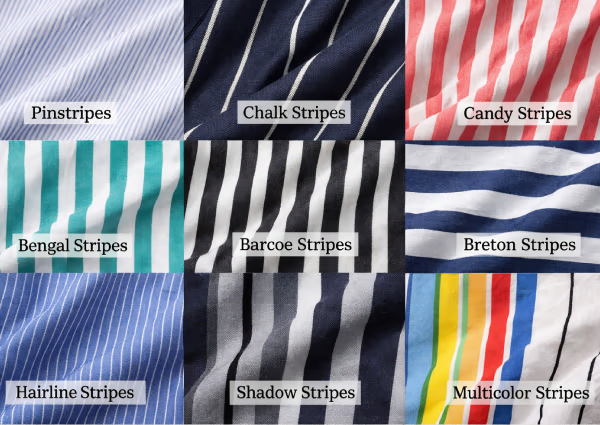
Different Types of Stripes in Clothing: A Complete Style & Fabric Guide
Stripes are among fashion trends that is timeless, versatile and timeless to wear in clothes. From classic suits for men to modern casual clothes stripes have played a major part in the fashion of different time periods, cultures and styles. Be it bold or subtle informal or fun stripes affect how clothes look, feel and how the person wearing them is perceived.
In this detailed guide, we’ll explore different types of stripes in clothing, their characteristics, uses, styling tips, and how they impact fashion and tailoring–especially in menswear fabrics like suits, pants, shirts, and coats.
1. What Are Stripes in Clothing?
Stripes can be described as straight lines that are created by alternating bands of texture, color or weave. The lines can be varied in:
-
Width (thin medium, thick,)
-
Direction (vertical horizontal, diagonal)
-
Spacing (even or uneven)
-
High contrast color (subtle or high-contrast)
In textiles, stripes may be weaved, dyed, printed, or embroidering which makes them an essential element of design in the fabric manufacturing.
2. Why Stripes Matter in Fashion
Stripes are much more than decorations. They:
-
Enhance the structure of the garment
-
Influence on perception of body shape
-
Formal or casual, convey formality
-
Have historical and cultural significance.
In the world of menswear stripes are a symbol of the power, elegance and elegance which makes them the most popular choice for suits pants, shirts, and suits.
3. Vertical vs Horizontal Stripes
Vertical Stripes
-
Make your appearance slimmer, taller and more attractive. appearance
-
Most often worn with trousers, suits and formal shirts
-
Perfect for tailoring with a structured structure
Horizontal Stripes
-
Add width and volume.
-
A popular choice for casual wear such as T-shirts and sweaters
-
Most balanced in terms of fabric selection and fit
4. Different Types of Stripes in Clothing
Let’s look at the most well-known and essential stripe patterns in textiles and clothing.
4.1 Pinstripes
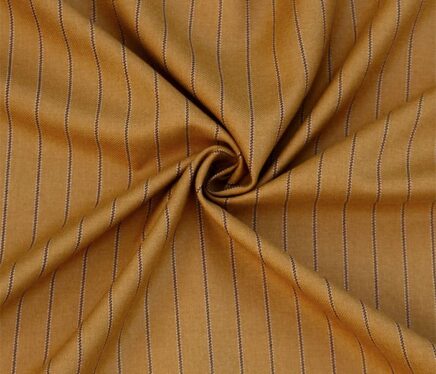
Pinstripes are extremely thin vertical stripes that are evenly spaced typically seen in formal male clothing.
Key Features:
-
Light-colored or narrow white lines
-
Set against darker base fabrics
-
Usually, they are woven, not printed.
Common Uses:
-
Business attire
-
Trousers
-
Waistcoats
Style Impact:
-
Professional
-
Authoritative
-
The body is stretched.
4.2 Chalk Stripes
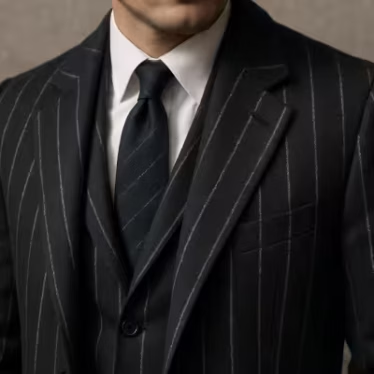
These stripes of chalk are more broad and soft than pinstripes. They look like lines drawn using tailor’s chalk.
Key Features:
-
A little fuzzy edge
-
Spacing that is wider
-
More comfortable than pinstripes
Common Uses:
-
Power suits
-
Overcoats
-
Winter tailoring
Style Impact:
-
Elegant, yet powerful
-
Strong visual presence
4.3 Candy Stripes
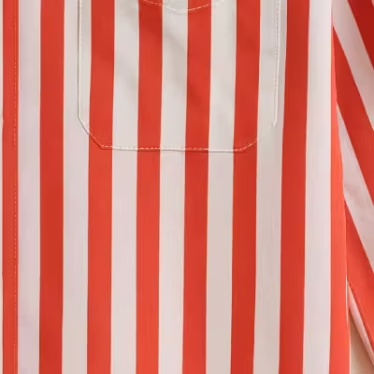
Candy stripes appear as well-lit and evenly spaced stripes that are often in contrast shades.
Key Features:
-
Color combinations that are playful and fun
-
Equal stripe width
-
Eye-catching
Common Uses:
-
T-shirts for casual wear
-
Summer clothes
-
Clothing for the resort
Style Impact:
-
Youthful
-
Fresh
-
Casual chic
4.4 Bengal Stripes
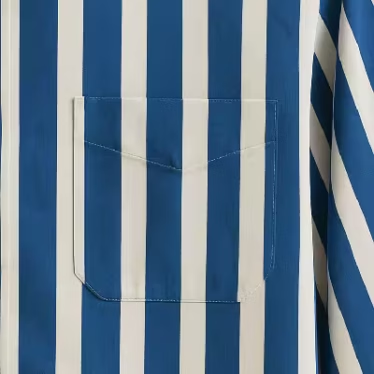
Bengal stripes strong stripes that have high contrast more dense than candy stripes.
Key Features:
-
Colors that are bold and contrasting
-
High Visibility
-
Strong structure
Common Uses:
-
Dress shirt
-
Outfits for statement
Style Impact:
-
Confident
-
Fashion-forward
-
Sharp
4.5 Barcode Stripes
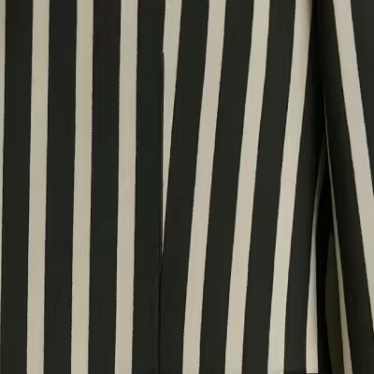
Barcode stripes are characterized by uneven widths of the stripe and are inspired from barcode designs.
Key Features:
-
Uneven spacing
-
Modern aesthetic
-
Abstract style
Common Uses:
-
Modern fashion
-
Designer Wear
-
Experimental clothing
Style Impact:
-
Artistic
-
Edgy
-
Modern
4.6 Breton Stripes
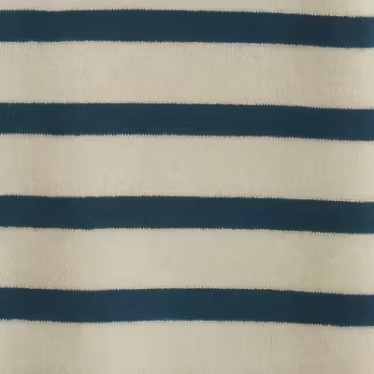
Breton stripes horizontal white-and-blue stripes that originate from French navy uniforms.
Key Features:
-
Horizontal alignment
-
Classic color palette
-
Even stripe width
Common Uses:
-
T-shirts
-
Casual tops
-
Knitwear
Style Impact:
-
Timeless
-
Relaxed
-
Nautical
4.7 Hairline Stripes
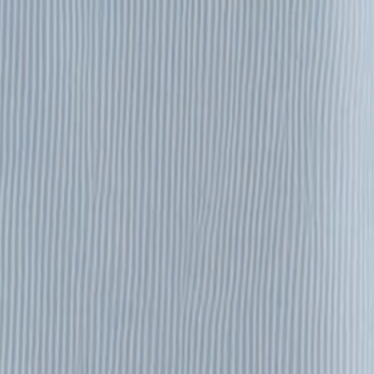
Lines of hair can be described as exceptionally thin lines typically seen only when you are close to them.
Key Features:
-
Subtle pattern
-
Fine detailing
-
Elegant texture
Common Uses:
-
Formal trousers
-
Premium suits
-
Office attire
Style Impact:
-
Elegant luxury without the pretense
-
Minimalist elegance
4.8 Shadow Stripes
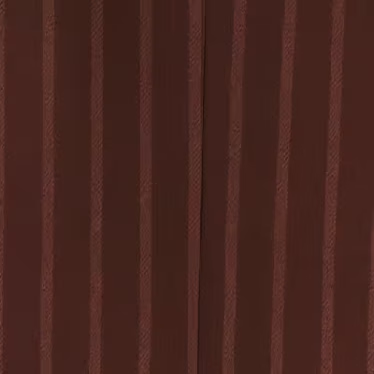
Shadow stripes are produced by weave variations instead of the contrast of colors..
Key Features:
-
Same-color stripes
-
Textural contrast
-
A sophisticated style
Common Uses:
-
Luxurious suits
-
Blazers
-
Wearing for special occasions
Style Impact:
-
Refined
-
Premium
-
Modern classical
4.9 Multicolor Stripes
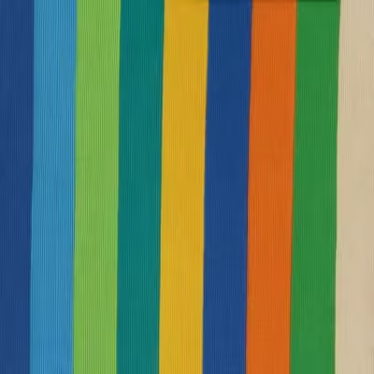
Multicolor stripes are made up of the use of three to four colors that are either striking or subtle.
Key Features:
-
Dynamic appearance
-
Combinations that are creative
-
Fashion-driven
Common Uses:
-
T-shirts with casual designs
-
Wearing ethnic clothing
-
Collections for the summer season
Style Impact:
-
Vibrant
-
Expressive
-
Trendy
4.10 Broken Stripes
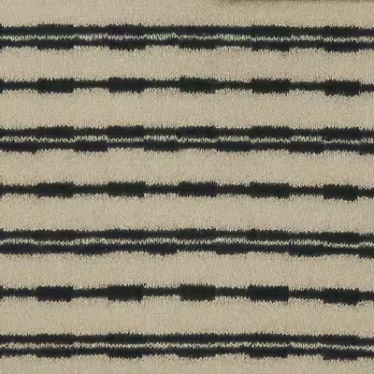
The broken stripes can be described as broken or fragmented stripes.
Key Features:
-
Non-continuous lines
-
Textured appearance
-
Visual depth
Common Uses:
-
Knitwear
-
Casual fabrics
-
Modern designs
Style Impact:
-
Relaxed
-
Artistic
-
Unique
5. Stripes in Menswear Fabrics
In the world of menswear stripes are strongly linked to tailoring styles.
The most popular striped fabrics are:
-
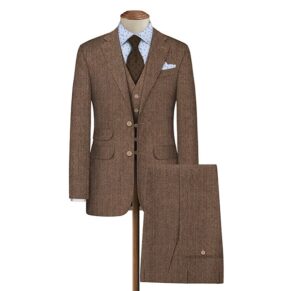
Wool pinstripes to match
-
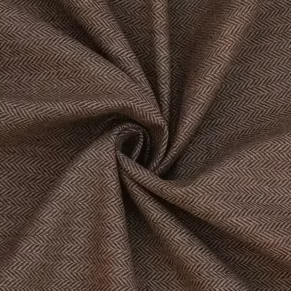
Herringbone stripe blends
-
Linen striped summer suits
-
Fabrics for striped cotton shirts
Stripes improve structure, drape and also the perceived quality They are a great choice for tailoring to your specifications.
6. Stripes in Casual vs Formal Clothing
Formal Clothing
-
Chalk stripes
-
The shadow stripes
are used in suits and trousers, blazers and coats.
Casual Clothing
-
Breton stripes
-
Candy stripes
-
Stripes of multicolor
are used on T-shirts, shirts, and casual wear.
7. How to Choose the Right Stripe Pattern
When choosing striped clothing or fabric, think about:
-
Type of body Vertical stripes narrow and horizontal stripes broaden
-
Occasion Stripes that are subtle for formal occasions, strong for casual
-
Fabric high-end Woven stripes look more luxurious
-
Contrast in color The contrast is elegant and subtle. high contrast means bold.
8. Stripes and Body Proportion
Stripes play a significant part in balancing visuals:
-
Fine stripes – a refined, slim appearance
-
Bold, wide stripes striking
-
Stripes that are spaced close to each other – a an organized appearance
Tailors typically make use of stripe placement to increase the fit.
9. Care and Fabric Considerations
Striped fabrics must:
-
Cutting precisely for alignment
-
Expert tailoring to match patterns
-
Careful care to ensure the clarity of lines
High-quality fabrics that are striped retain their its sharpness even after repeated use.
10. Conclusion
Stripes are among the most durable and lasting patterns that can be found in clothing. From classic pinstripes worn in formal attire to vibrant multicolored stripes that are worn in casual attire Every kind of stripe has their own character, meaning and fashion message.
Knowing the various types of stripes on clothing can help you select better fabrics, create better clothes and dress confidently, whether you’re a fashion-conscious designer, tailor, or even a buyer of fabric.