Unstitched Fabric: Meaning, Benefits & Why Custom Clothing Starts Here

Unstitched Fabric: The Foundation of Truly Personal Style
In a society dominated by pre-made clothes Unstitched fabrics stand out as an emblem of individuality, quality and conscious dress. It symbolizes freedom, the ability to determine how your garment will look, feel and fit your body. If you value long-term comfort, ease of use and individual expression Unstitched fabric is more than only a piece of fabric, but the basis of style.
In contrast to ready-made clothes that are made for typical body types and masses, unstitched fabric lets you create clothes that reflect your personality. From the texture and weave, through the cuts and shape, it all starts by choosing the material you select.
This blog explains the meaning of unstitched fabric and why it is important and why it remains the choice of choice for tailors, dressers and even designers.
What Is Unstitched Fabric?
Unstitched fabric refers to cloth that is not cut or sewn into garments. It is sold in lengths and is later tailored into clothing like suits pants and shirts, kurtas or jackets based on individual dimensions and preferences for style.
The fabric that you are wearing is the basic canvas for fashion. Before it is transformed into a perfectly-fitted jacket or a perfect pair of pants it is the most basic form, without any the factory’s sizing process, standard cuts or production limitations for mass production.
Since it isn’t confined by predefined shapes, the unstitched fabric provides unbeatable flexibility in terms of design, fit and functionality.
Why Unstitched Fabric Still Matters Today
Despite the ease of ready-made clothing, unstitched fabric is extremely relevant, and with good reason.
1. A Perfect Fit Starts with Fabric
There are no two bodies that are alike. The ready-made clothes are designed by using standard size charts which are based on “average” proportions. Fabric that is not stitched, however is made according to your precise measurements. This creates a more balance, clearer lines, and a more comfortable fit.
2. Control Over Style and Design
If you decide to go with unstitched fabric you can choose:
-
Cut of dress
-
The drape and the structure
-
The width of the lapel, the rise pleats, cuffs and other details
Everything is not forced. Every detail is deliberate.
3. Fabric Quality You Can Feel
Fabric that is not stitched is usually sold in its original state without any chemical processing. This signifies:
-
More air quality
-
Improved durability
-
A more natural feeling on the skin
The finest fabric also age elegantly, building character with time instead of being worn out.
4. Long-Term Value
While tailoring for custom needs may be expensive at first, clothes constructed from quality unstitched fabric will last longer, fit better and need less replacements. In time, they can are more affordable than purchasing poorly-fitting, ready-made clothing.
Types of Unstitched Fabric
Unstitched fabrics come in a myriad of designs, each suitable to different outfits and events.
Suiting Fabric
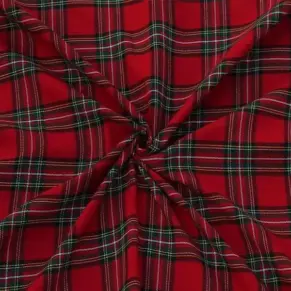
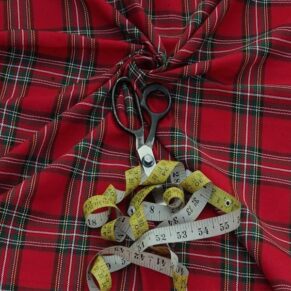
Unstitched Tartan Red Checkered Fabric
Original price was: ₹349.₹289Current price is: ₹289.Per Meter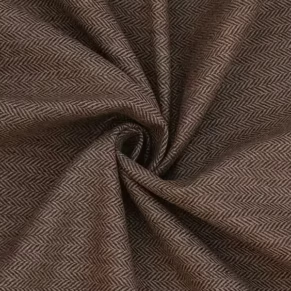
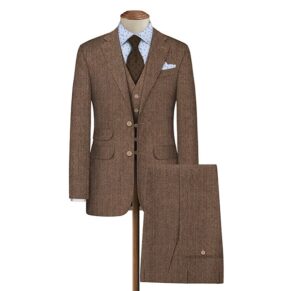
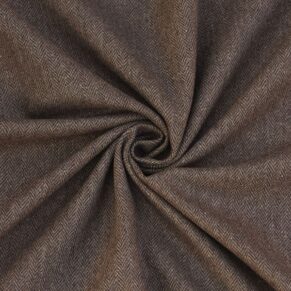
Brown Herringbone Wool Blazer Fabric
Original price was: ₹978.₹699Current price is: ₹699.Per Meter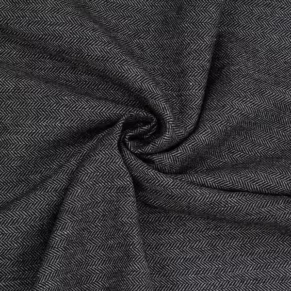
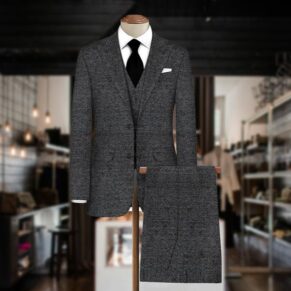
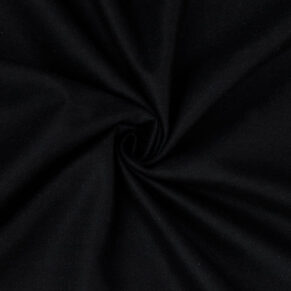
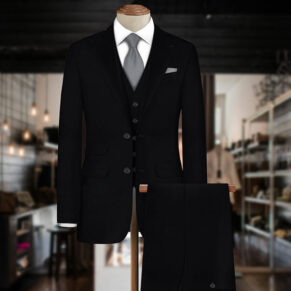
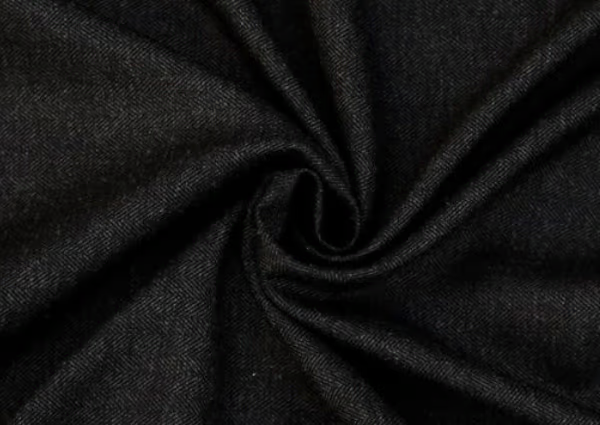
Black & Grey Herringbone Wool Tweed Fabric
Original price was: ₹978.₹699Current price is: ₹699.Per Meter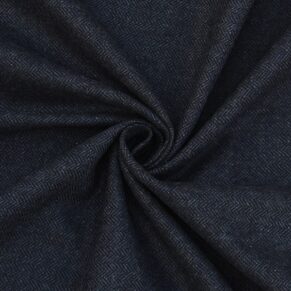
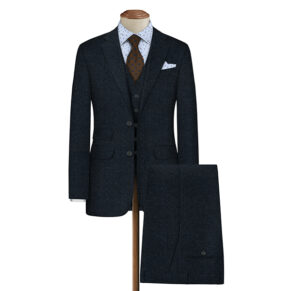
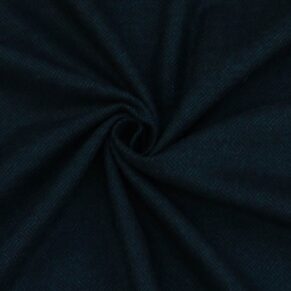
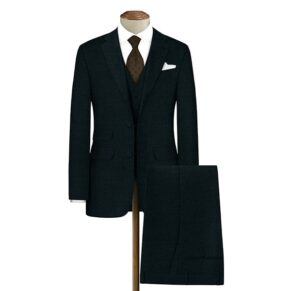
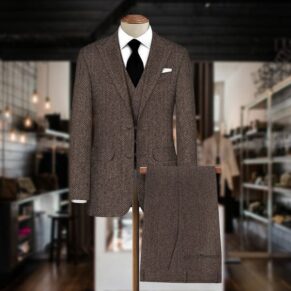
Navy -Blue Wool Tweed Fabric For Three Piece Suit
Original price was: ₹978.₹699Current price is: ₹699.Per MeterIt is suitable for suits, blazers and formal trousers. Available in wool blends, wool, tweed herringbone, and textured weaves. Great for business attire as well as weddings and formal occasions.
Shirting Fabric
Unstitched Tartan Red Checkered Fabric
Original price was: ₹349.₹289Current price is: ₹289.Per Meter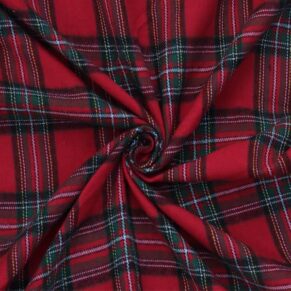
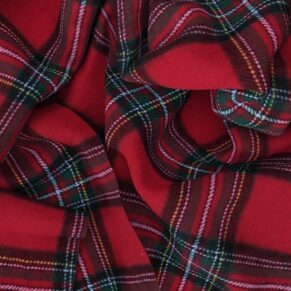
Unstitched Tartan Flannel Red Check Fabric
Original price was: ₹499.₹299Current price is: ₹299.Per Meter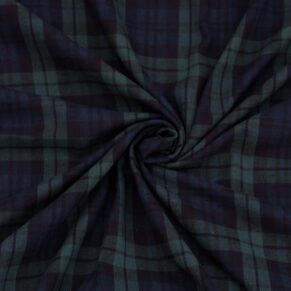
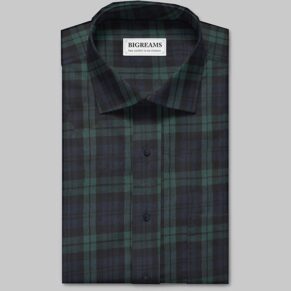
Green Navy Blue Tartan Check Fabric
Price range: ₹299 through ₹449Per Meter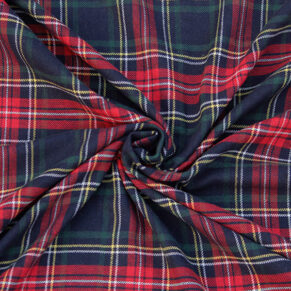
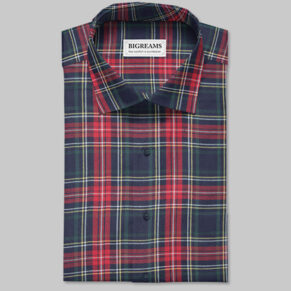
Green Red Tartan Checkered Fabric
Price range: ₹299 through ₹449Per MeterFabrics that are lighter and suited to shirts. This includes linen, cotton Twill, Oxford and blends. Breathability and comfort are important aspects here.
Trouser Fabric
Brown Herringbone Wool Blazer Fabric
Original price was: ₹978.₹699Current price is: ₹699.Per Meter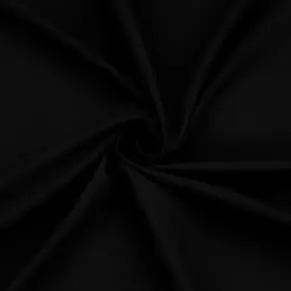
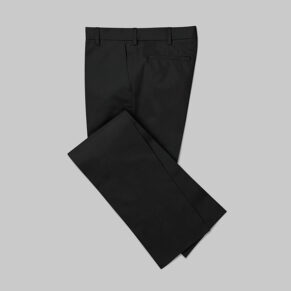
Black Wrinkle Free Stretchable Twill Pants Fabric
Original price was: ₹558.₹399Current price is: ₹399.Per MeterBlack & Grey Herringbone Wool Tweed Fabric
Original price was: ₹978.₹699Current price is: ₹699.Per Meter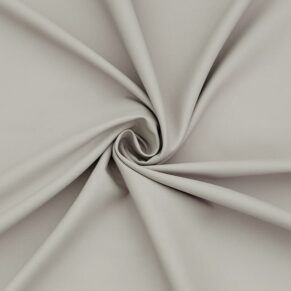
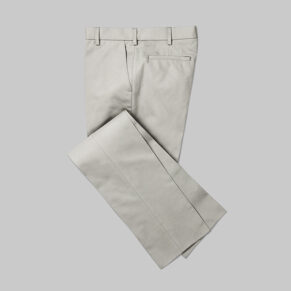
Beige Color Stretchable Pants Fabric
Original price was: ₹558.₹399Current price is: ₹399.Per MeterThe focus is on durability and structure. It is often heavier than shirting fabrics however lighter than full-suiting. It is designed to keep form all day.
Seasonal Fabrics
-
Summer Linen, cotton tropical wool
-
Winter: Tweed, Flannel, wool with a heavier weight
-
All-season weaves with a balanced weave that can be used all year round
The right textile for each season guarantees the comfort of your clothes without sacrificing fashion.
The Role of Weave, Texture, and Weight
The choice of fabric is more than the color and pattern. Three crucial factors determine the way a garment performs
Weave
The weave is what determines its strength, texture, and the appearance. Examples:
-
Plain weaves provide smoothness and simplicity
-
Twill weaves are durable and provide subtle texture
-
Herringbone-like weaves that have patterns give visual depth
Texture
The texture can affect the way a formal or casual outfit looks. The smoother fabrics tend to be formal, whereas textured fabrics give a rich and distinctive appearance.
Weight
In GSM or Ounces, the weight of fabrics affects the drape and the seasonality. The heavier fabrics offer the structure needed and support, while lighter fabrics provide the comfort and ease of movement.
Unstitched Fabric vs Ready-Made Clothing
| Aspect | Unstitched Fabric | Ready-Made Clothing |
|---|---|---|
| Fit | Custom, precise | Standard, average |
| Comfort | High | Inconsistent |
| Design Control | Complete | Limited |
| Longevity | Long-lasting | Often short-term |
| Personalization | Full | Minimal |
The difference is not only evident, it’s felt every time you put on the item.
Who Should Choose Unstitched Fabric?
Unstitched fabric is perfect for:
-
Professionals who dress formal often
-
People with body proportions that are not standard.
-
People who appreciate the art of craftsmanship and high-quality
-
Anyone who wants to build a long-term and multi-purpose wardrobe
It is particularly suited to people who view clothes as an investment rather than an expense to make.
The Tailoring Connection
Fabric by itself is not enough to make an outstanding garment. Tailoring is the complete process. A skilled tailor is aware of how fabric behaves in terms of how it drapes and the best way cut it to improve the shape of your body.
The best results are achieved when unstitched, high-quality fabric meets expert manufacturing. Together, they make clothes that appear refined feel comfortable and last the tests of time.
The Emotional Value of Custom-Made Clothing
There is a calm confidence when you wear something designed specifically for you. There is no excess fabric, there are no seams that pull, no unnatural proportions. It’s just clothing that is comfortable to move in and shows your individuality.
Unstitched fabric allows you participate in the design process. From choosing the fabric until approving the final fitting the entire process adds value above and beyond the clothing.
Final Thoughts
Unstitched fabrics are not outdated. It is timeless. In the age of quick trend and mass manufacturing it reflects an opportunity to return to the basics high-end, uniqueness, and quality.
If you’re building an elegant wardrobe, planning for a special event, or simply looking for greater comfort for your everyday life, a non-stitched fabric gives you something that ready-made clothes will never be able to be able to do: control.
It’s the point of entry of fashion that is done correctly.