What is the Difference Between Cloth and Fabric? (Complete Guide)

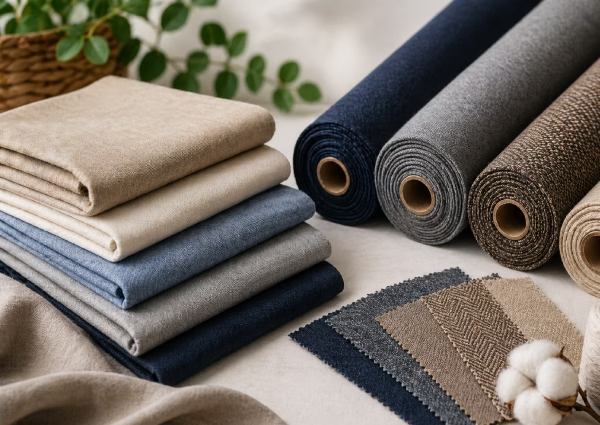
When it comes to fabrics terms, fabric or fabrics are frequently used interchangeably. If you’re a tailor the fashion industry, or purchasing clothing materials and other garments, you’ve probably seen both terms used in similar situations.
However, are they really exactly the same?
It’s not exactly.
Understanding the difference between cloth and fabric is essential–especially if you’re in the textile or fashion industry. It aids in communicating better with customers, suppliers and designers, and helps position your company more professionally.
In this comprehensive guide, we’ll go over the essential information you need about fabric vs cloth in a straightforward practical, business-oriented manner.
What is Fabric?
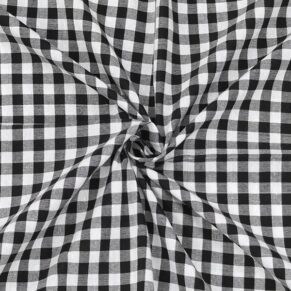
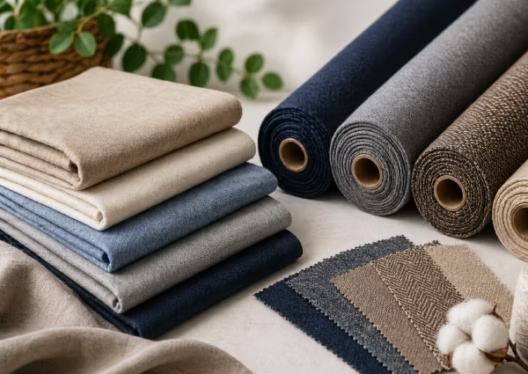
Fabric refers to the most scientific and widely used term to refer to material that is made of fibers by means of processes such as knitting, weaving, or bonding.
Definition:
Fabric can be described as a fabric that is made by interlacing fibers, such as wool, cotton silk, polyester, or silk.
Key Characteristics of Fabric:
- Made of synthetic or natural fibers
- Produced by knitting, weaving, or other non-woven methods.
- Utilized in upholstery, fashion, in industrial and fashion applications
- Available in different finishes, textures and weights.
Examples of Fabric:
- Fabric made of cotton (used for t-shirts)
- Fabric made of wool (used in coats and suits)
- The fabric is made from polyester (used for sportswear)
- Linen fabric (used in summer clothes)
- Fabric made of Herringbone (popular in suits of the highest quality)
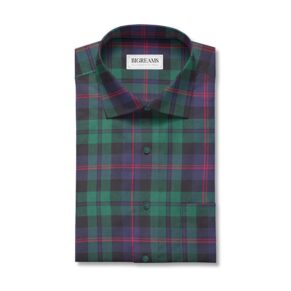
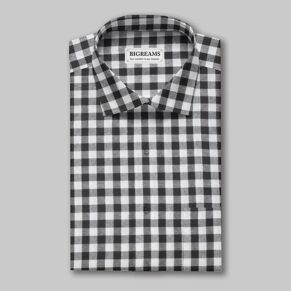
If you are selling suit fabric or shirting material, as well as trouser material, then you are selling cloth but not actually selling cloth.
What is Cloth?
Cloth is an informal and general word. It is often used in everyday conversations and generally is a reference to a piece of fabric that is ready for use or has a particular use.
Definition:
Cloth is an usable or finished piece of fabric, usually used for a specific purpose.
Key Characteristics of Cloth:
- Commonly used and informal term
- It refers to the usable or cut material.
- Often, it is linked to particular products or uses
- More frequently used often in everyday conversations than technical contexts
Examples of Cloth:
- Cleansing cloth
- Table cloth
- Dish cloth
- Floor cloth
- Cloths for clothing
In retail stores where customers are often heard to say:
“Shirt ka cloth dikhao”
Technically, they’re looking for fabric for shirts..
Key Difference Between Cloth and Fabric
Let’s simplify this:
| Aspect | Fabric | Cloth |
|---|---|---|
| Meaning | Fabrication of fibers from textiles | Cut or usable piece of fabric |
| Usage | The term “technical” or industry | Everyday spoken language |
| Focus | Creation of material | End use |
| Stage | Before stitching | Ready for use |
| Example | Wool fabric to make suits | Suit cloth |
Simple Way to Understand
Here’s a simple method of remembering:
- Fabric = Raw material
- Cloth = Piece usable
Example:
A full roll of fabric in your shop is cloth
length of 3 meters that you cut for a client equals cloth
Why This Difference Matters in Business
If you’re involved in the textile or fabric business, this distinction isn’t just an abstract concept; it directly impacts the way you sell and your brand.
1. Professional Positioning
The use of the word fabric will make your products sound more sophisticated and professional.
- “Premium suiting fabric” sounds more expensive in comparison to “suit cloth”
2. Attracting Better Customers
Designers and buyers who are high-end prefer the use of professional terms.
They look for:
- “Wool suiting fabric”
- “Luxury fabric collection”
Not:
- “Suit cloth”
3. Better Marketing Impact
“The word fabric creates trust and authority.
If you are looking to present your company as a premium one, make use of fabrics that is:
- Content of the Website
- LinkedIn posts
- Catalogs and advertisements
Types of Fabric (Deep Understanding)
To better understand fabric you must know the classification of fabric:
1. Based on Fiber
Natural Fabrics:
- Cotton
- Wool
- Silk
- Linen
Synthetic Fabrics:
- Polyester
- Nylon
- Acrylic
- Rayon
2. Based on Construction
Woven Fabric:
- Strong and solid
- In suit, shirts, trousers
Knitted Fabric:
- Flexible and soft
- Used in t-shirts
Non-Woven Fabric:
- Fibers that are bonded
- In industrial products
3. Based on Usage
- Fabrics to match
- Fabric to wear shirts
- Fabric for upholstery
- Industrial fabric
Why People Get Confused
The confusion arises because of the language of conversation.
- Tailors say “cloth”
- Customers say “cloth”
- Manufacturers say “fabric”
Both words are used to mean the same thing, but with different meanings.
Cloth vs Fabric in the Fashion Industry
In the fashion and textile industries, fabric is the proper and most preferred term.
Professionals make use of:
- Fabric source
- Fabric quality
- Fabric composition
Cultural Perspective
In India and numerous other nations:
- “Cloth” is widely used in the local language.
- “Fabric” is used in exports, business as well as branding
Both are true, but they’re used in different ways.
Common Myths
Myth 1 Fabric and cloth are one and the same thing.
It’s not exactly
The material is fabric, however, it is the form that can be used
Myth 2. Fabric appears to be expensive
Yes, it can create an impression of superiority
Myth 3. Cloth is not the right choice
There is no need to be.
This is simply informal
Quick Summary
- Fabric is a material made of fibers
- Cloth = Cut or usable piece
- Fabric is a professional term.
- Cloth is a casual term
Final Thoughts
Knowing the distinction between fabric and cloth may appear small, but it can have an enormous difference, particularly for those involved in the business of textiles.
If you market your product as top quality fabric You automatically:
- Enhance perceived value
- To attract more customers.
- Create a brand that is more powerful