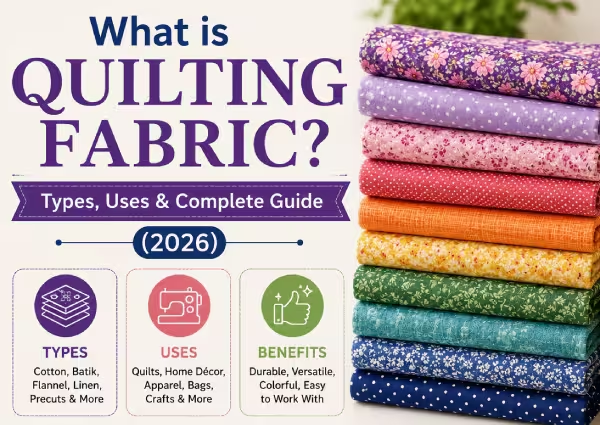
What is Quilting Fabric? Types, Uses & Complete Guide (2026

Quilting goes beyond stitching fabric layers together. It’s an art, way of life and, for many it’s a love. If you’re a quilter who is who is making your first quilt, as well as a skilled tailor experimenting with new fabrics, knowing how to quilt fabric is vital. The texture, quality, and style of fabric you choose will significantly affect the final result the quilt.
In this thorough guide, you’ll be able to learn all about quilting fabric: what it is and its various types and types, how to select the appropriate one, as well as professional tips to make sure your quilts look great and last for a long time.
What is Quilting Fabric?
Fabric for quilting refers to special-designed fabric that is that is used to make quilts, that typically comprise three layers:
- Layer top (patchwork or top of quilt)
- Layer middle (batting or insulation)
- Bottom layer (backing fabric)
In this regard quilting fabrics, the latter is typically linked to it’s the topmost layer that is where color, design and pattern play an important function.
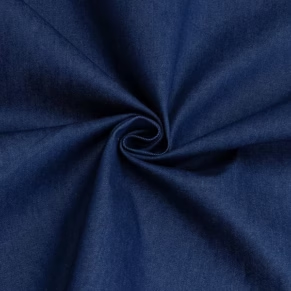
The most popular fabrics for quilting is 100 percent cotton particularly the quilting fabric. The fabric is firmly woven smooth, durable and easy to sew making it perfect for beginners and more experienced quilters.
What makes quilting fabric different from regular fabric
Many people think that every fabric is suitable to quilt, but that’s not accurate.
Fabrics that quilt stand out due to:
1. Tight Weave
Quilting cotton is more expensive and has a higher thread count, meaning:
- Fraying less
- Better durability
- Smooth stitching
2. Stability
In contrast to stretchy fabrics quilting fabric stays in shape, which is vital to ensure that the patchwork is precise.
3. Pre-Shrunk and Colorfast
Quilting fabrics of the highest quality have been treated for:
- Minimize shrinkage
- Prevent color bleeding
4. Designed Prints
Quilting fabrics are offered in coordinated collections, making it much easier to combine and mix patterns in a beautiful way.
Types of Quilting Fabric
Knowing the various types of materials can help you choose the best material for your project.
1. Quilting Cotton (Most Popular)
- 100 percent cotton
- Medium weight
- Easy to cut and sew
- Ideal for novices
Use case: Patchwork quilts, bed quilts, baby quilts
2. Batik Fabric
- Hand-dyed using techniques based on wax-resist.
- Colorful patterns and vibrant colors
- A little tighter weave than regular cotton. A little tighter weave than regular
Application case Quilts with artistic designs, art pieces that stand out
3. Flannel Fabric
- Warm and soft
- It is slightly thicker than quilting fabric.
- Comfortable for winter quilts
Use case: Baby quilts, winter quilts
4. Linen and Linen Blends
- Natural texture
- Breathable, however slightly harder to work with
- Provides a modern, high-end style
Use case: Designer quilts, minimalist styles
5. Polyester Blends (Less Common)
- More durable but less breathable
- Can feel synthetic
- Not recommended for quilts with a high-end design.
Use case: Budget quilts, utility quilts
Understanding Quilting Fabric Cuts
Quilting fabric is typically available in pre-cut sizes making the process simpler.
Common Cuts:
- Fat Quarters (18″ x 22″)
- Charm Packs (5″ squares)
- Jelly Rolls (2.5″ strips)
- Layer Cakes (10″ squares)
These pre-cuts save time and ensure uniformity–especially useful for beginners or bulk production.
How to Choose the Right Quilting Fabric
Fabric selection isn’t only about fashion, but also about performance.
1. Check Thread Count
More threads = more durability and quality.
2. Feel the Fabric
A good quilting material should be able to feel:
- Smooth
- Firm (not thin)
- a little crisp
3. Test Colorfastness
Apply a damp cloth to the fabric:
- If color is transferred in the wash, it can bleed through washing
4. Match Fabric Weight
Every fabric in a quilt must have the same weight so that they can stitch evenly.
5. Consider the End Use
- Decorative quilts: Focus on design
- Daily-use quilts: Prioritize durability
- Quilts for babies: Pick soft, fabric that breathes
Tips for working with quilting Fabric
Pre-Wash Your Fabric
- This prevents shrinkage later.
- Eliminates the excess color
Use Sharp Tools
- The Rotary cutters provide clean edges.
- Important for accuracy
Press, Don’t Iron
- Pressing prevents the distortion of fabric pieces
Use Quality Thread
- Threads that aren’t made of quality can break and cause damage to stitches
Maintain Consistency
- A precise seam allowance is crucial (usually 1/8 inch)
Common Mistakes to Avoid
Even experienced quilters make mistakes. Beware of these mistakes:
- Mixing non-stretch and stretchy fabrics
- Skipping pre-washing
- Fabrics of poor quality
- Ignoring grain direction
- Lack of color coordination plan
Quilting Fabric vs Apparel Fabric
In the textile business (especially wearing suits) This distinction is crucial.
| Feature | Quilting Fabric | Apparel Fabric (Suiting) |
|---|---|---|
| Weave | Stable, tight | Variable (can be adaptable) |
| Stretch | Minimal | Sometimes present |
| Purpose | Decorate and layer | Wearable garments |
| Texture | Smooth, lightly crisp | Soft, slouchy |
If you are a suiting (like your company) the process of quilting fabric is not so much about drape but more about the structure and preciseness.
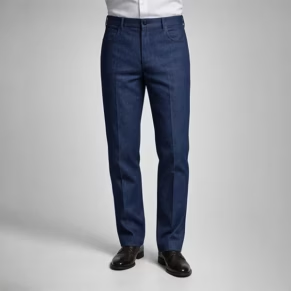
Is Quilting Fabric Good for Clothing?
Yes, but with restrictions.
You can use quilting cotton for:
- T-shirts for casual wear
- Summer clothes
- Lightweight clothes
However, it might not be suitable for:
- Formal wear
- Coats with structure
It isn’t as drapey and elegance of other fabrics.
Trends in Quilting Fabric (2026)
The world of quilting is changing. Some of the key trends include:
1. Sustainable Fabrics
- Organic cotton
- Eco-friendly dyes
2. Minimalist Designs
- Neutral tones
- Scandinavian-inspired patterns
3. Bold Digital Prints
- High-definition designs
- Expression through art
4. Monochrome Quilts
- White and black palettes
- Modern aesthetics
Final Thoughts
Quilting fabric is at the heart of any great quilt. Although it might appear like regular cotton but its tightly woven as well as its durability and flexibility make it ideal to quilting projects.
You may be making a warm blanket, a stunning artwork, or playing around with fabrics, picking the right fabric for quilting can make your work go from average to outstanding.
For fabric business owners, quilting fabric also presents an opportunity–especially if positioned correctly. Although it is different from other materials, the demand for it in the gifting, DIY and the home decor market is growing.